The mission of the Brick Space Agency is to showcase all the amazing LEGO space models and their creators. Discover, build, and share your own fleet of rockets, launch vehicles, spacecraft, and space stations!
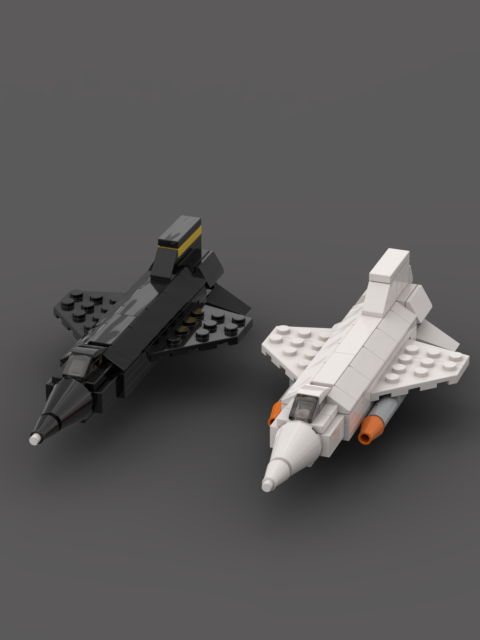
X-15
By Eiffleman
American manned spaceplane used for hypersonic research. Conducted tests for ballistic flight, winged reentry, and gliding recovery. The X-15 was intended to evolve to a manned orbital spacecraft until the urgent need for the Mercury and Gemini programs surfaced. Research from the X-15 eventually led to the techniques...
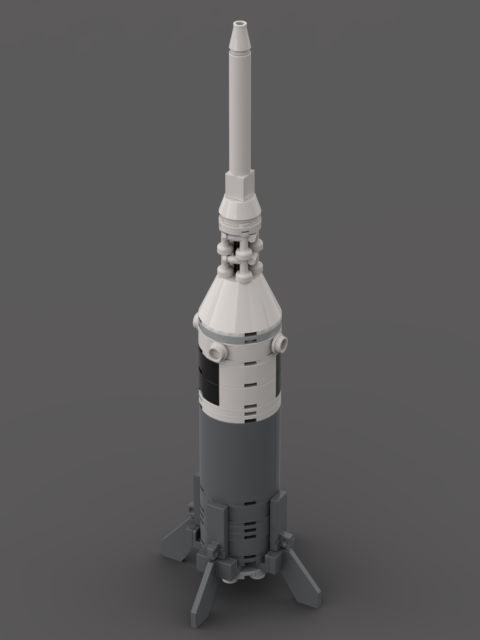
Little Joe II
By Eiffleman
American rocket developed to test the Apollo spacecraft Launch Escape System and the Command Module parachute recovery system in abort mode. Smallest of the four launch vehicles used in the Apollo program.
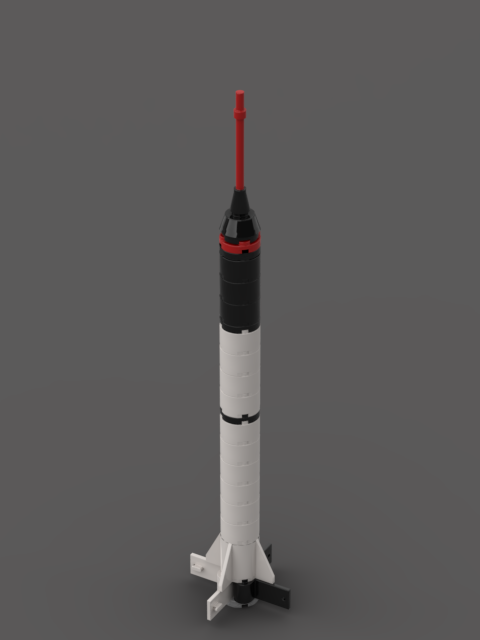
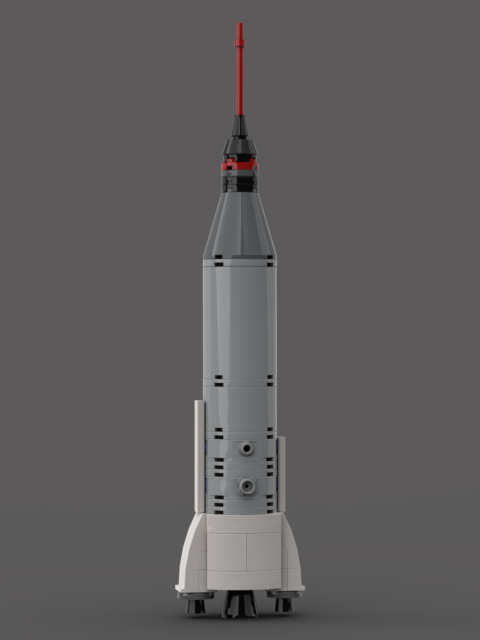
Mercury-Redstone Launch Vehicle
By Eiffleman
America's first crewed suborbital launch vehicle. Member of the Redstone rocket family derived from the U.S. Army's Redstone missile and the Jupiter-C LV. Used for six suborbital Mercury flights carrying astronauts Alan Shepard and Gus Grissom.
Atlas 10-D “Big Joe 1”
By Kevin Huang
First launch of the Mercury program. Launched a boilerplate Mercury capsule to test the ablative heat shield, afterbody heating, and reentry dynamics.
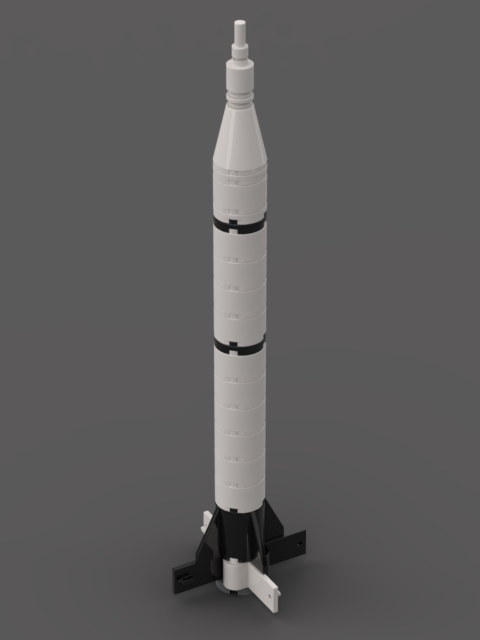
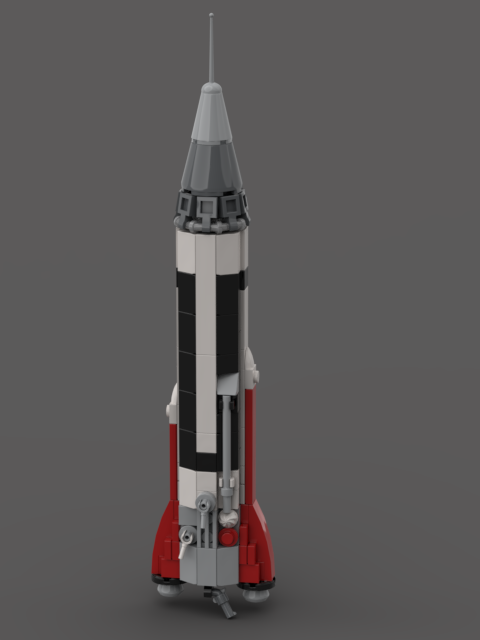
Juno I
By Eiffleman
Four stage rocket derived from the Jupiter-C sounding rocket. After the "Sputnik Crisis" and the failure of the Vanguard program, a Juno I rocket was used to launch America's first satellite, Explorer 1.
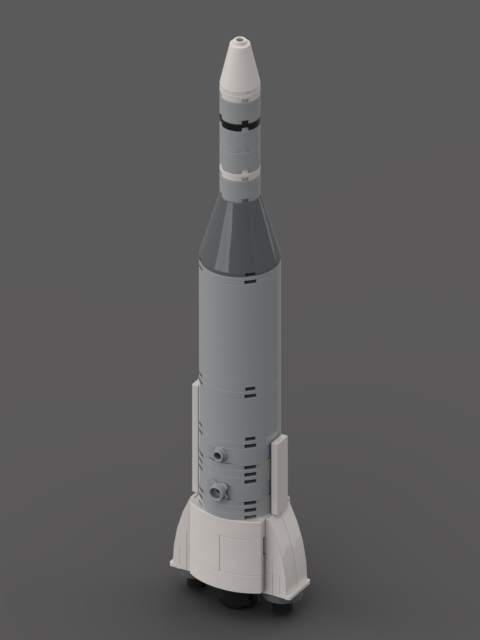
Atlas LV3 Agena-D
By Eiffleman
Standardized Atlas plus Agena D used for a variety of NASA and Air Force programs, including Ranger, Mariner, Midas, and Gambit.
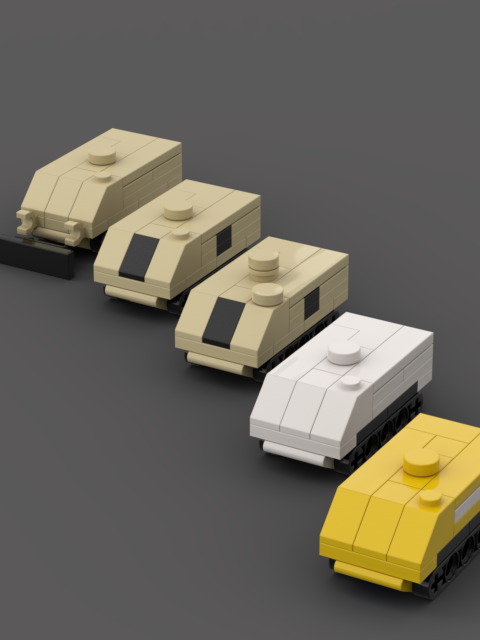
NASA M113 Armored Rescue Vehicle
By Eiffleman
NASA modified Army M113s used as armored rescue vehicles.
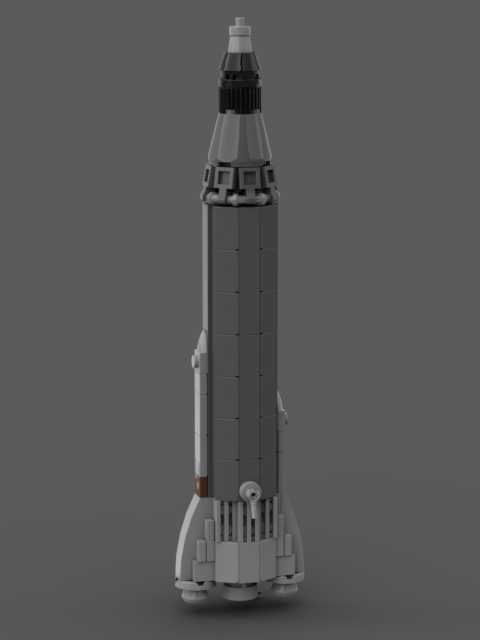
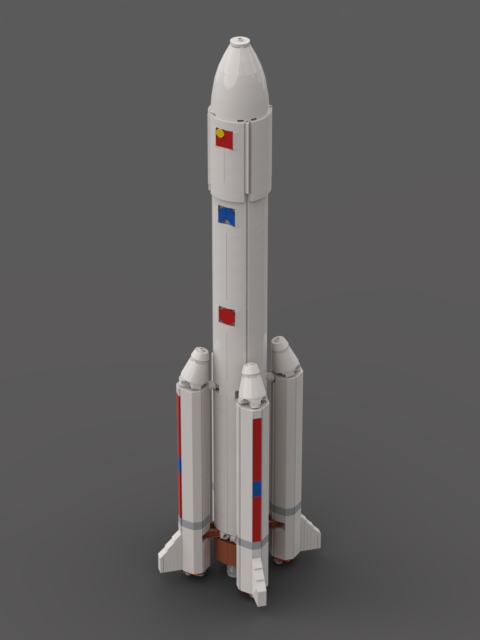
Long March 5 (CZ-5)
By SkySaac
Heavy Lift launch vehicle developed by the China Academy of Launch Vehicle Technology. First to use non-hypergolic liquid fuels. As of 2021 it is the 3rd most powerful launch vehicle.
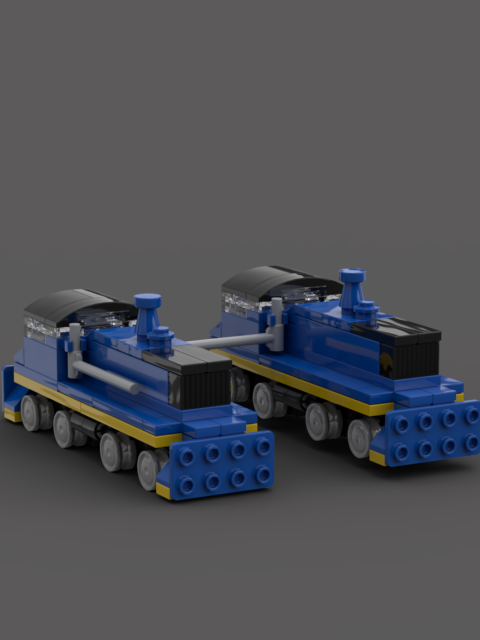
Titan Mover Trains
by Eiffleman
The Titan project also had a twin track linking the assembly buildings and launch pads; specially adapted EMD SW-8 switchers were used to move the rocket.
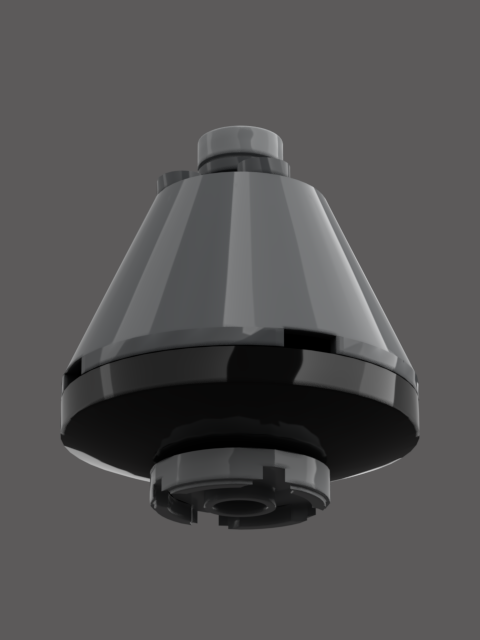
Apollo Command Module with Heatshield
by Eiffleman
The Apollo Command Module was the crew and reentry capsule portion of the CSM. It housed crew accommodation, equipment bays, and the controls and displays for operating the Apollo spacecraft.
Atlas A SM-65A
By Joey Zinga
Modification of Kevin Huang's model
First full scale prototype of the Atlas missile and progenitor of the Atlas family of rockets.
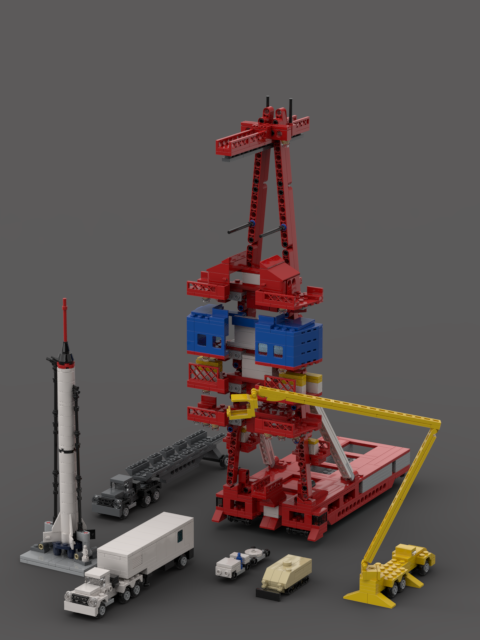
LC-5 Launch Complex 5 Cape Canaveral
By Eiffleman
Launch site at Cape Canaveral Space Force Station, Florida. Site of the Mercury-Redstone 3 flight, America's first manned space flight with Astronaut Alan Shepard.
LEGO LC-5 model with 976 bricks
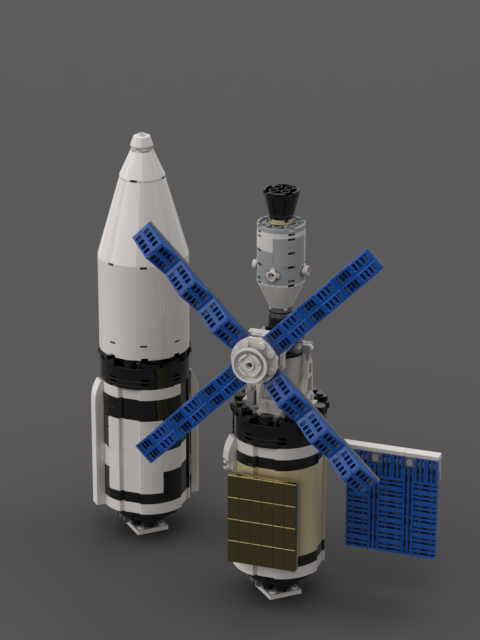
Skylab
By Eiffleman
First American manned space station launched 14 May, 1973. Originated as the Orbital Workshop then vastly upgraded to take advantage of remaining Saturn V rockets.
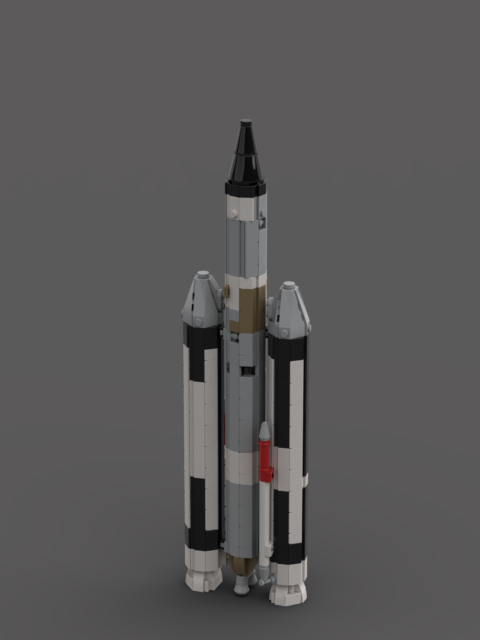
Titan IIIC
by Kevin Huang
USAF expendable launch vehicle used from 1965 until 1982. First Titan family rocket to use large solid rocket motors. Intended for launch of the Dyna-Soar (cancelled) but primarily launched DoD payloads.
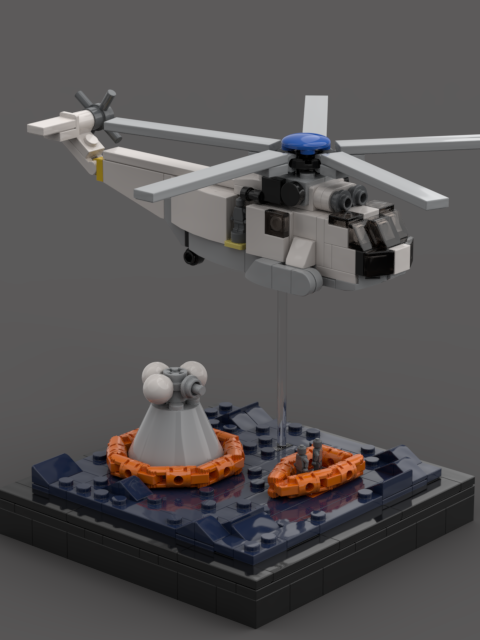
Apollo Recovery Mission / Helicopter 66
By Kaero
During the Apollo 8, Apollo 10, and Apollo 11 missions, Helicopter Sikorsky Sea King SH-3D with number 66 was the primary recovery vehicle which hoisted returning astronauts from the spacecraft command modules.
Atlas LV-3B (Mercury-Atlas Launch Vehicle)
By Eiffleman
America's second manned launch vehicle and the first to reach orbit for the Mercury program. Manufactured by Convair and derived from the SM-65D Atlas missile making it a member of the Atlas family of rockets. Launched a total of four crewed Mercury spacecraft.